
Midwinter Magic - Unplugging for the Return of the Light

Here is BC we stopped doing “Day Light Savings” and as much as I used to like getting that extra hour to sleep in the morning, when the switch first happens, it’s been lovely having more day light at the end of the day. Looking into the research it’s now saying that this change is more disruptive to our health than just leaving things the way nature intended. The darker days are when we are supposed to go within, take a break, recuperate, rest and restore.
As December rolls in and the days continue to get shorter, most of us will find ourselves sprinting through the holiday gauntlet, buying gifts, entertaining, socializing, and frantically trying to finish "everything before the new year" (even though January 2nd is literally just a regular day). Beneath the chaos of year-end preparations lies a quiet, ancient event that humans have honoured for thousands of years - the Winter Solstice.
Occurring every year around December 21st, the winter solstice is the exact moment when the Earth's tilt reaches its maximum angle away from the sun. It is the longest night and shortest day of the year, officially giving you the best excuse to put on pyjamas at 5:30 PM, while also marking the turning point when the light slowly begins to return.
Long before Wi-fi and modern holiday stress existed, cultures around the world treated the solstice as a sacred bridge between darkness and light. Ancient builders didn't just hang string lights. They aligned massive stone monuments, like Stonehenge in England, Newgrange in Ireland, and the Great Pyramid of Giza in Egypt, to catch the sun's exact rays on this single day. Talk about commitment to seasonal decor.
Across the globe, diverse traditions emerged to celebrate this cosmic shift:
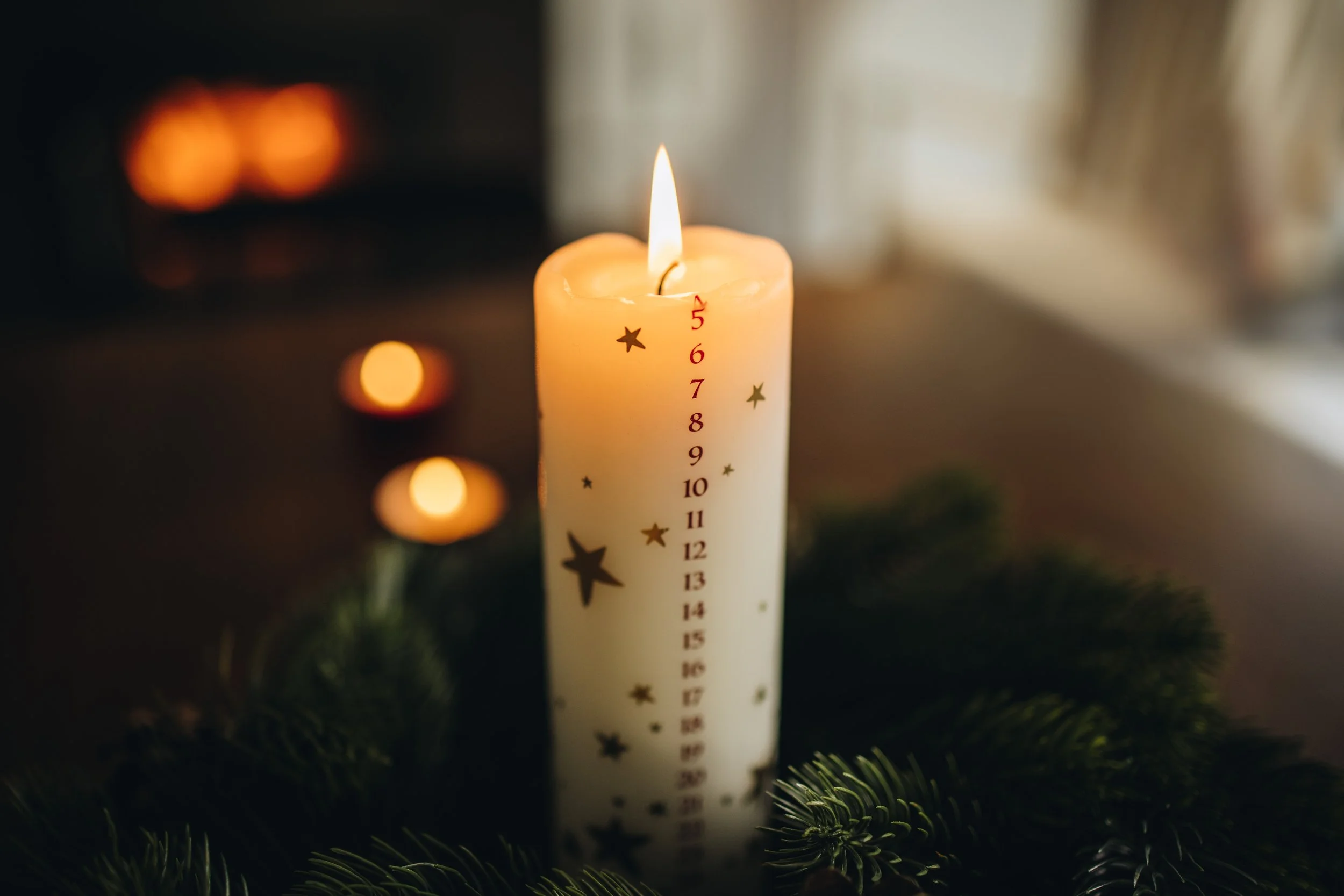
Celtic, Norse, and ancient British traditions viewed the solstice as a vital time of renewal and rebirth. My husband comes from Danish Heritage and in their country the Danes survive the dark, freezing winter months by leaning into intentional coziness. The concept of hygge (coziness and togetherness) is central. Homes are always illuminated with an abundance of candles to create a soft, inviting glow. Danes burn more candles per person than almost anyone else in Europe to dispel the gloomy shadows of early afternoon. Lighting candles is a daily ritual rather than just an occasional decoration.
My family has many stories of lighting our traditional Christmas calendar candle. I am usually mercilessly teased about protecting how fast or slow it melts to insure it is there for the 24 days of dinners preceding Christmas day.
In China, families gather for Dongzhi, marking the turning point when dark, cold yin energy (darkness, cold, stillness, introspection and rest) reaches its peak and yang energy (bright, light, warmth daylight and ascending) begins to grow again. Ancient Taoists viewed the solstice as a point of perfect transition and harmony, where the the dark turns into the light and new potential or creative energy begins to germinate beneath the frozen ground. They believed that winter demands conserving energy and to protect their inner vital energy (Qi) and kidney warmth, preparing the physical body for vitality come spring.
In Iran, people stay up through the longest night for Shab-e Yalda. Staying awake, traditionally at the home of the eldest family members place, past midnight together lighting candles, and sharing warm company helps protect against evil spirits and cold forces during the harshest phase of the year. A common ritual involves making a wish or asking for spiritual guidance for the coming year. Surviving symbolizes hope, resilience, and the certainty that light and warmth will return.

In Japan, Toji , rooted in traditional nature worship, is marked by soaking in fragrant, warming yuzu baths, which sounds infinitely better than arguing over board games. The strong aroma of yuzu is believed to dispel evil spirits and “bad air”, thought to gather during the dark winter months. Physical and spiritual cleansing is viewed as essential and the warm citrus baths ward off winter colds and flus. The solstice is not seen as a dead or grim winter low, but as the fragile, potent moment of energetic reset.
The ancient Egyptians celebrated the solstice as the birthday of the sun, knowing it marked the exact astronomical turning point when the sun stopped retreating and began growing stronger again. Romans threw a party called Dies Natalis Solis Invicti, “The Birthday of the Unconquered Sun”, honouring “Sol Invictus” the official solar deity of the late Roman Empire, celebrating the triumph of the sun over the darkest days of winter. As Christianity spread, the Winter Solstice became linked to the birth of Jesus Christ, partly to adopt and transform existing winter solar and pagan celebrations into a Christian Holiday. The return of light symbolized the arrival of the "light of the world" amidst the darkest time of the year. Its imperial origins echo a universal human longing for hope and brightness in midwinter.
In our modern, hyper-connected world, it is remarkably easy to forget that we are actually biological creatures tied to nature, not laptops that can run at 100% brightness year-round. Artificial lighting, constant notifications, and endless doomscrolling keep our nervous systems stuck in a perpetual, frantic "summer" mode, pulling us away from nature and crowding out the quiet spaces where true healing and good ideas actually happen.
Our ancestors understood that winter's darkness isn't a bug; it's a feature. Just as seeds rest beneath the soil before sprouting in spring, our bodies, minds, and energy systems need real downtime away from glowing screens to dream, reflect, and catch fresh inspiration. You can't download a creative breakthrough—or let your nervous system deeply reset—when your brain has 47 browser tabs open. When we unplug and sit with the stillness of the season, we finally give our intuition and energy room to breathe.
Carving out space for even a simple solstice ritual isn't just cozy, it offers real mental, emotional, and energetic resets during the darkest stretch of the year. Rituals act as an intentional counterweight to December hustle culture, giving you a guilt-free excuse to rest, exhale, and match nature's slower pace.
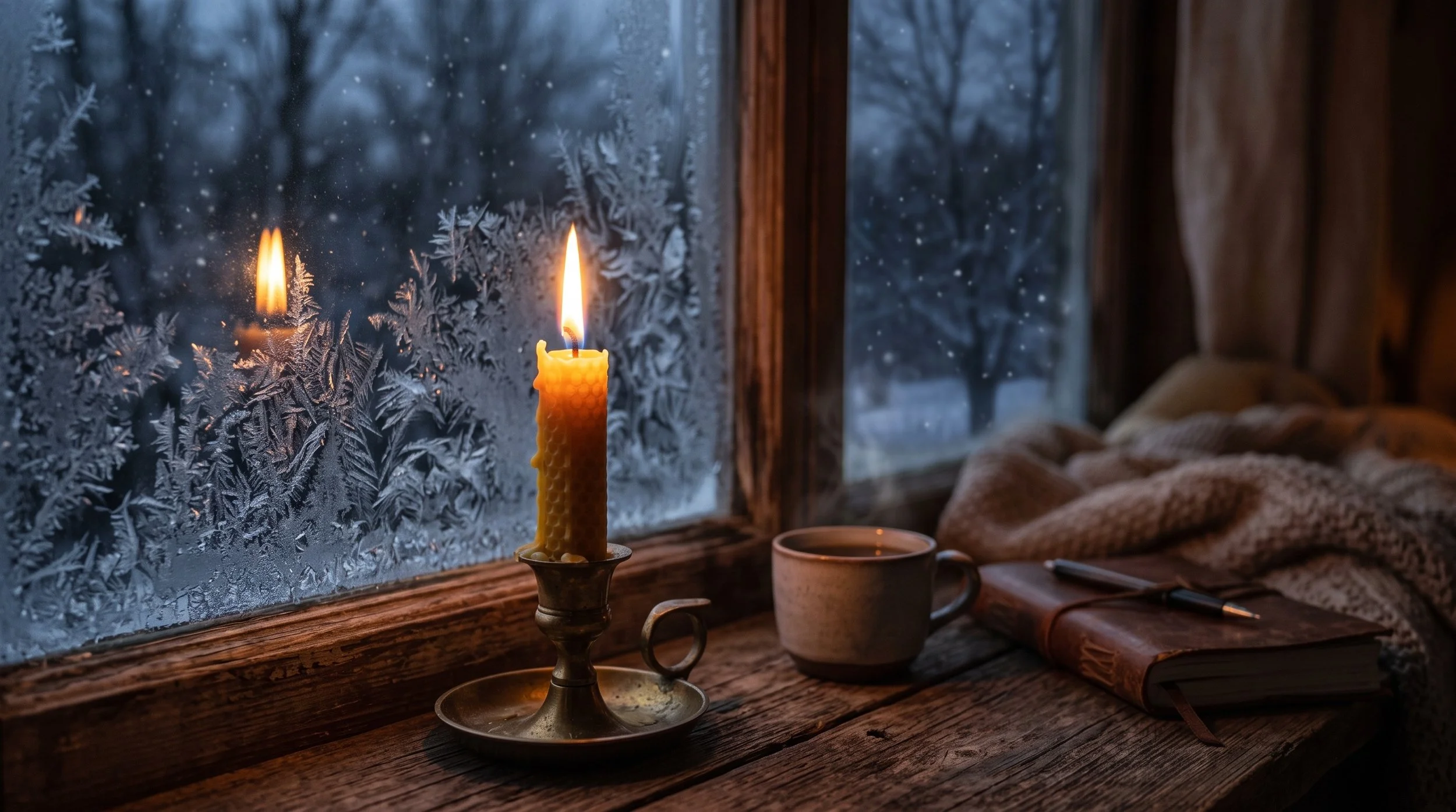
Lighting a candle, journaling, or writing down old worries to safely burn gives you a tangible way to process heavy emotions and clear energetic clutter before a new cycle starts. Unlike rigid New Year's resolutions that demand peak productivity in the dead of winter, solstice intentions are gentle. You are simply planting seeds for what you want to grow as the light returns. Honouring the shift from darkness back toward light reminds you that dark stretches are temporary bringing a steady sense of hope, warmth, and inner balance.
Whether you light a single candle at dinner, take a quiet walk under the winter sky, or gather around a fire with loved ones, a winter solstice ritual doesn’t need to be elaborate. Even a few intentional minutes—with your phone on airplane mode—can turn the darkest night of the year into a grounding source of renewal.
From all of us at Core Potentials, thank you for being part of our community and allowing us to walk alongside you on your wellness journey this year. As the wheel of the year turns and the light slowly begins its return, we are sending you and your loved ones our warmest good wishes, deep peace, and abundant love and light for the holiday season and the year ahead.
♥ Becca