
Why You Feel “Loopy” (And It’s Not Just Sleep Deprivation)

That “out of it” feeling has a physiology
You know the feeling. You walk into a room and forget why you’re there. You lose your train of thought mid-sentence.
You feel slightly disconnected, almost like you’re not fully “in” your body.
Most people blame sleep. And yes, sleep matters. But clinically, we’re seeing something deeper. That “loopy,” floaty, brain-fog state is often a metabolic and neurological signal, not just fatigue.
The overlooked pathway: protein → ammonia → brain
When this system is working well, you feel focused and stable.
When it’s not… things start to feel off.
The overlooked pathway: protein → ammonia → brain
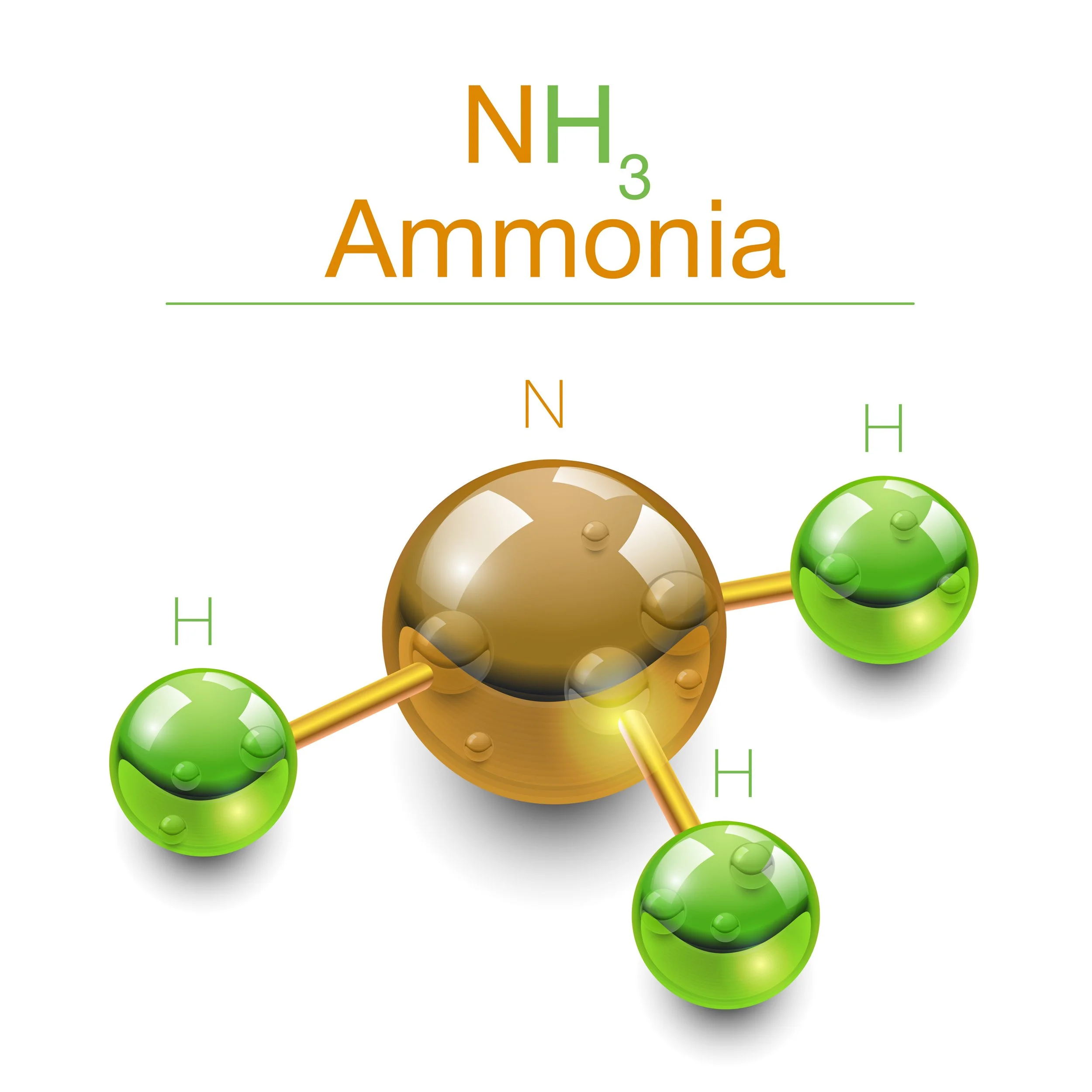
Every time you eat protein, your body breaks it down into amino acids. This is normal and necessary. But here’s the part most people don’t know: As protein is metabolized, it produces ammonia as a byproduct.
Your body is designed to handle this:
The gut processes protein
The liver converts ammonia into urea
The brain stays clear and regulated
When this system is working well, you feel focused and stable. When it’s not… things start to feel off.

What happens when the system gets overwhelmed?
If protein digestion is incomplete, or your system is under stress, ammonia can begin to accumulate faster than your body clears it. This doesn’t have to be extreme or pathological to matter. Even subtle shifts can lead to:
Brain fog
Feeling “spaced out”
Memory lapses
Irritability
That hard-to-describe “loopy” sensation
From a neurological perspective, ammonia is highly disruptive. It alters neurotransmitter balance and affects how efficiently your brain communicates.
The missing piece: The GABA connection
This helps explain why people don’t just feel tired, they feel neurologically off.
The GABA connection (this is the missing piece)
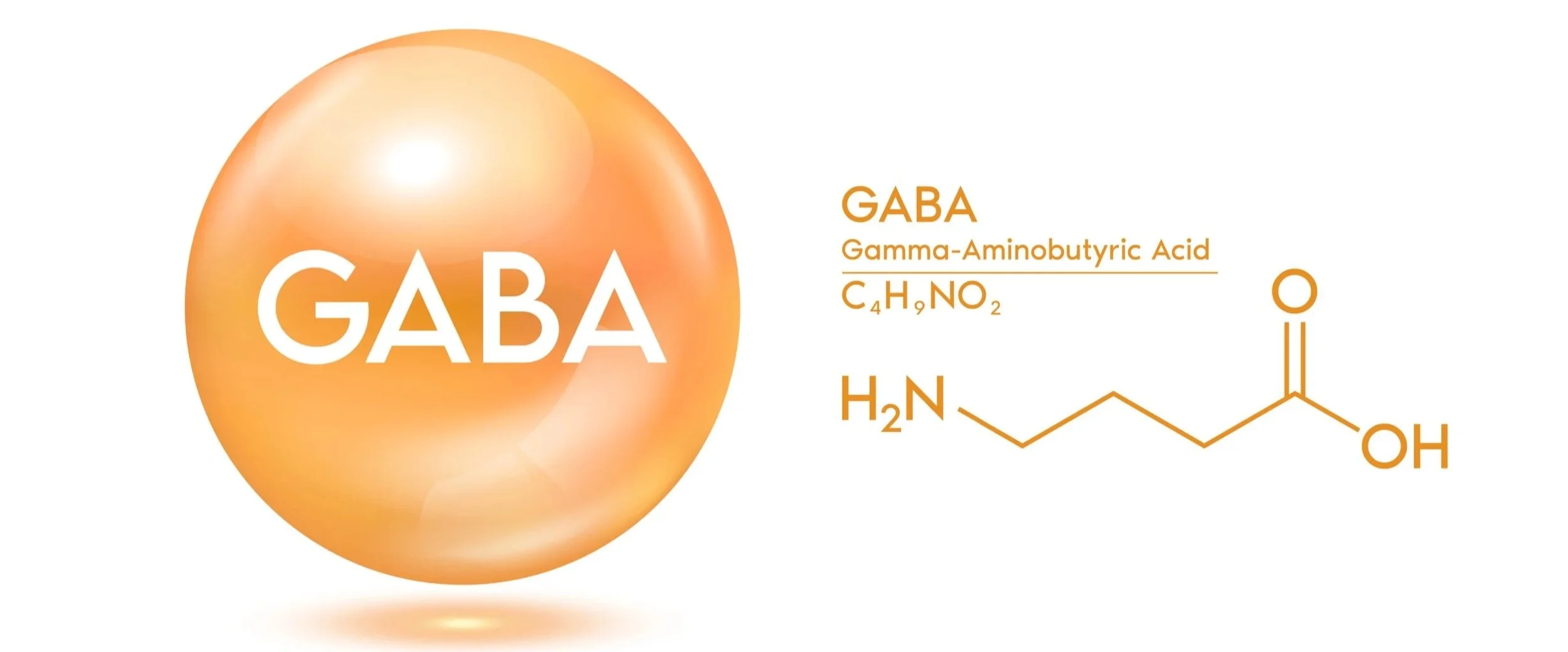
One of the most important, and often overlooked, effects of elevated ammonia is its impact on GABA (gamma-aminobutyric acid), the brain’s primary calming neurotransmitter. Research has shown that higher levels of ammonia can:
Disrupt normal GABA signalling
Alter the balance between excitatory and inhibitory neurotransmitters
Contribute to symptoms like confusion, poor focus, and mental fatigue
In states of elevated ammonia (even mild or subclinical), the brain can shift toward a less stable, less regulated state, where:
Thoughts feel scattered
Focus is harder to maintain
You feel “wired but not clear”
This helps explain why people don’t just feel tired, they feel neurologically off.

Why this shows up postpartum, during stress, or burnout
This pattern is especially common in people who are:
Postpartum
Chronically stressed
High-performing but depleted
Dealing with gut issues (even mild ones)
Why? Because multiple systems are under pressure at once:
1. Digestion slows under stress
Your body prioritizes survival over digestion. Protein doesn’t fully break down → more fermentation in the gut.
2. The gut microbiome shifts
Certain bacteria thrive on undigested protein → increasing ammonia production.
3. Liver capacity is taxed
Hormonal shifts, sleep deprivation, and nutrient depletion all reduce your ability to clear metabolic byproducts efficiently.
4. The nervous system becomes overloaded
When the brain is already overstimulated, even small metabolic disruptions feel amplified.
It’s not just in your head
That “loopy” feeling is not a personality trait. It’s not you “not coping well.” And it’s not always solved by sleeping more. It’s often a signal that your gut–brain axis is under strain.
What actually helps (clinically and practically)
The goal isn’t to “push through.” It’s to restore flow through the system.
1. Support protein digestion
When protein is broken down properly, less ammonia is produced downstream.
Eating in a calm state
Chewing thoroughly
In some cases, using targeted digestive support
2. Rebalance the gut environment
Reducing protein fermentation changes the entire metabolic load.
Supporting a healthy microbiome
Being mindful of bloating, gas, or long-standing IBS patterns
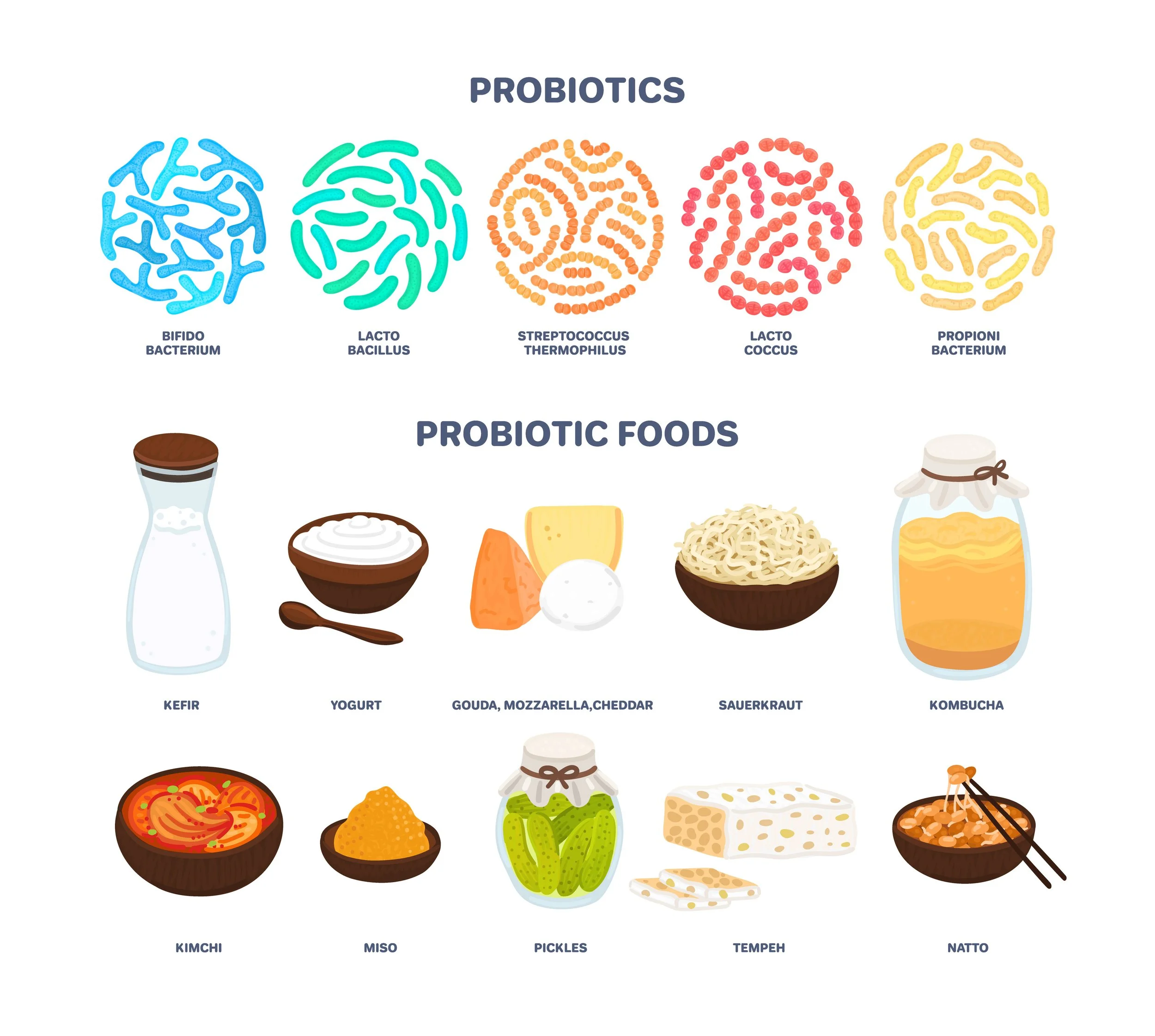
Specific probiotic strains with evidence in reducing ammonia and protein fermentation include:
Lactobacillus rhamnosus
Bifidobacterium longum
Lactobacillus plantarum
These strains have been studied for their ability to:
Reduce ammonia-producing bacteria
Improve gut barrier function
Support more balanced nitrogen metabolism
3. Reduce system overload
This is where most people underestimate the impact.
Nervous system regulation (osteopathic manual therapy can be very effective here)
Adequate recovery (not just sleep, but true downregulation)
Managing cognitive load
When the system is constantly in a fight–flight–freeze state, digestion, detoxification, and brain clarity all take a back seat.
4. Support natural detox pathways
The body already knows how to clear ammonia, it just needs the capacity to do it.
Hydration
Nutrient sufficiency (key nutrients involved in ammonia clearance and liver function):
Magnesium
Zinc
Vitamin B6
Glycine
Arginine (supports the urea cycle)
Optimizing circulation and lymphatic flow
An osteopathic perspective: when nothing is moving, nothing is clearing
In practice, we often see a pattern:
Good arterial flow
But poor drainage (lymphatic or visceral)
When the body can’t move fluid effectively, metabolic byproducts linger longer than they should. This is why some patients feel dramatically clearer, not just looser, after treatment. Because clarity isn’t just mental. It’s physiological. An important piece of this is the autonomic nervous system (ANS), the balance between:
“Fight–flight–freeze” (sympathetic)
“Rest–and–digest” (parasympathetic)
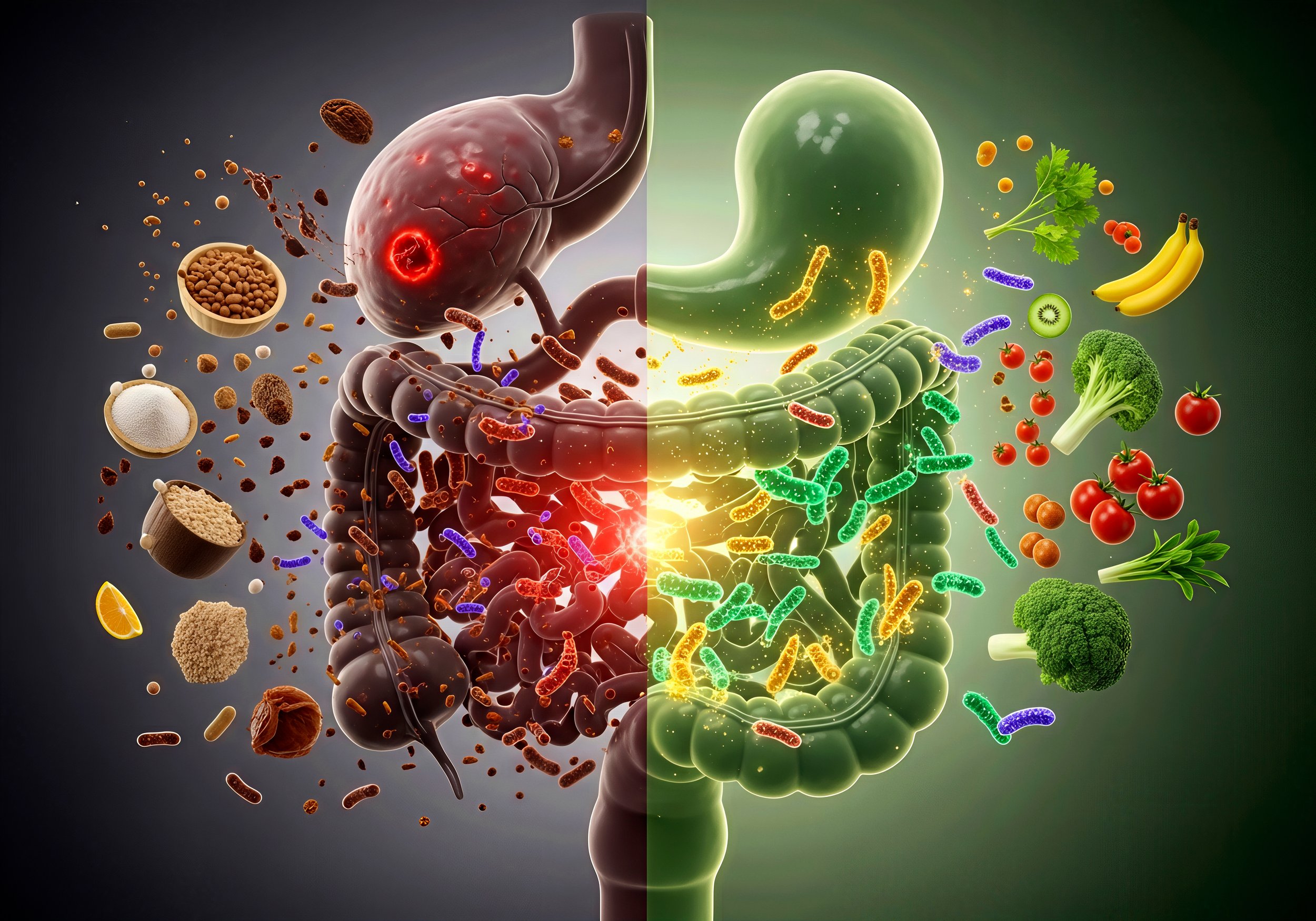
When the body is stuck in a sympathetic-dominant state:
Digestion is impaired
Detox pathways are less efficient
Brain function becomes less regulated
Osteopathic treatment can help shift the system back toward parasympathetic regulation, restoring:
Digestive efficiency
Fluid movement
Neurological clarity
The bottom line is that if you’ve been feeling:
Foggy
Disconnected
Mentally slower than usual
There may be more going on than just fatigue. Your body may be signalling that something in the gut–brain–metabolic axis needs support. And when that axis is restored, People don’t just feel “less tired.”
They feel like themselves again.

🔬 Research Highlights
Elevated ammonia is strongly associated with cognitive dysfunction and altered neurotransmission, particularly in conditions like hepatic encephalopathy
Ammonia has been shown to disrupt GABA signalling and alter the balance between excitatory (glutamate) and inhibitory (GABA) pathways
Ammonia-induced astrocyte dysfunction impairs glutamate, GABA cycling, contributing to brain fog, reduced attention, and altered consciousness
Certain probiotic strains (Lactobacillus and Bifidobacterium) have demonstrated the ability to reduce ammonia levels and improve cognitive outcomes in clinical populations
Nutrients such as zinc, magnesium, and B6 play key roles in ammonia metabolism and neurotransmitter regulation
Key references:
Butterworth RF. Pathophysiology of hepatic encephalopathy: the ammonia hypothesis revisited. Nat Rev Gastroenterol Hepatol.
Bosoi CR & Rose CF. Identifying the direct effects of ammonia on the brain. Metab Brain Dis.
Felipo V & Butterworth RF. Neurobiology of ammonia. Prog Neurobiol.
Albrecht J & Norenberg MD. Glutamine: a Trojan horse in ammonia neurotoxicity. Hepatology.
Bajaj JS et al. Probiotics for hepatic encephalopathy: mechanisms and clinical evidence.
If you’re noticing this pattern in your own body, or in your patients, it’s worth paying attention. These subtle signals are often the earliest, and most actionable, clues we get.
With love,
Britte